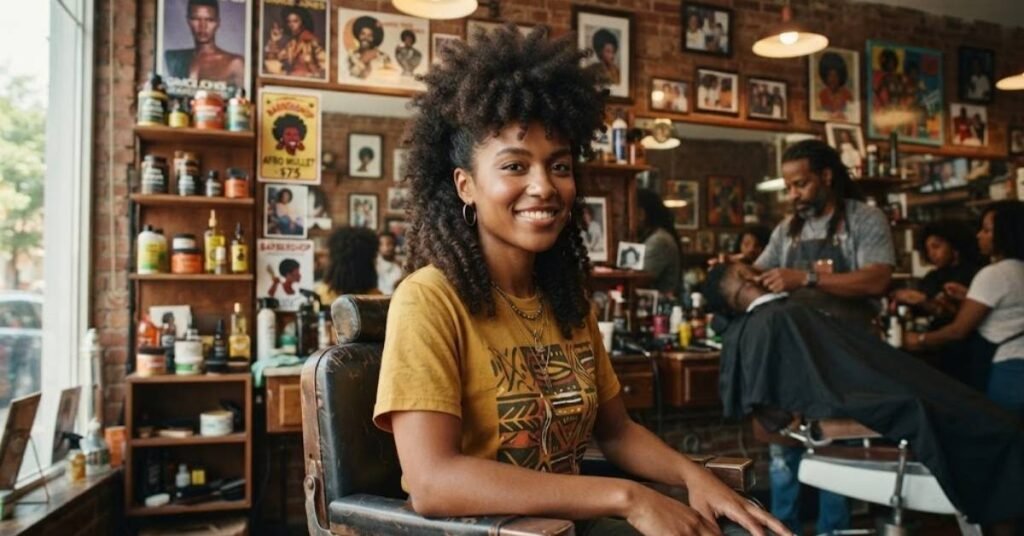
The afro mullet has become one of the most talked about hairstyles of 2026, and it shows no sign of slowing down. It takes the natural volume, spring, and personality of afro textured hair and pairs it with the short front, longer back silhouette that made the mullet an icon in the first place.Unlike the flat, one dimensional mullets of decades past, today’s afro mullet is shaped around curl pattern, hair density, and face shape. Barbers now treat the crown, sides, and back as separate design zones rather than one uniform cut. That is what makes this style so adaptable for coily, curly, and kinky hair types alike.
In this guide, you will learn about the most popular afro mullet variations trending right now, how to choose the right one for your hair type, styling tricks that actually work, and a full care routine to keep your cut looking sharp between barber visits.
Table of Contents
Best Afro Mullet Hairstyles: Timeless Variations for 2026
An afro mullet is, at its core, a hairstyle that combines classic mullet proportions, short on top and sides, longer at the back, with the natural coil, curl, or kink pattern of afro hair. What makes this cut so popular in 2026 is how customizable it is. No two afro mullets need to look alike, because curl density, hair porosity, and personal style all shape the final result.
Some of the biggest reasons this style keeps trending include:
- It celebrates natural texture instead of fighting it
- It works on nearly every face shape when tailored correctly
- It is low maintenance compared to many other trending cuts
- It offers a rebellious yet completely wearable look
- It can be dressed up or down depending on the occasion
Below are the five most requested afro mullet variations barbers are working on this year.
Afro Burst Fade Mullet
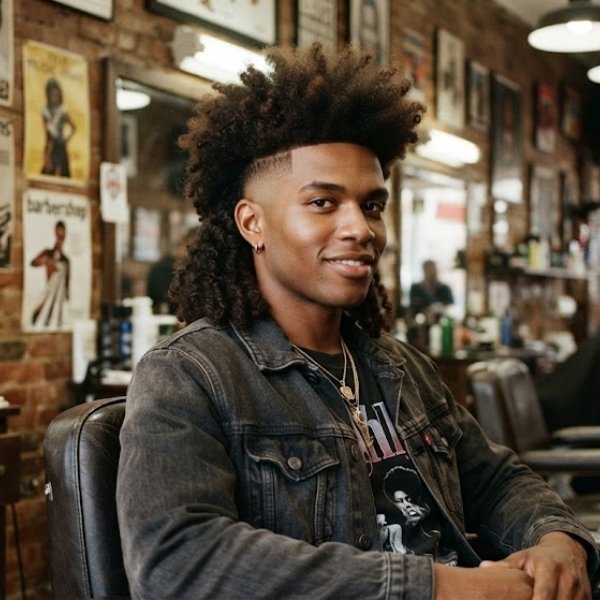
The afro burst fade mullet blends a rounded, burst style fade around the ear with the classic longer back of a mullet. Instead of a straight line fade, the burst curves around the ear, which creates a more natural transition into the fuller crown and back sections.
This variation is popular because it adds contrast and shape without sacrificing volume on top. The fade keeps the sides clean and low maintenance, while the crown and back retain enough length to show off natural curl pattern. It works especially well on tighter coil types, since the short sides highlight texture rather than flattening it.
Barbers usually recommend this cut for people who want a sharp, edgy finish but still want their natural curls to remain the focal point of the style.
Afro Curly Mullet
The afro curly mullet keeps the top curly and full while trimming the sides shorter, letting the back curls fall naturally into a soft, relaxed shape. This style suits 3B to 4C hair types particularly well, since the natural texture provides height, bounce, and movement without much extra styling effort.
What sets this variation apart is how little manipulation it requires. Rather than forcing curls into a rigid shape, the cut works with the hair’s natural fall, so wash and go routines are common with this style.
This is a strong option for anyone who wants an afro mullet that feels effortless day to day, without heavy reliance on styling products or heat tools.
Afro Taper Mullet
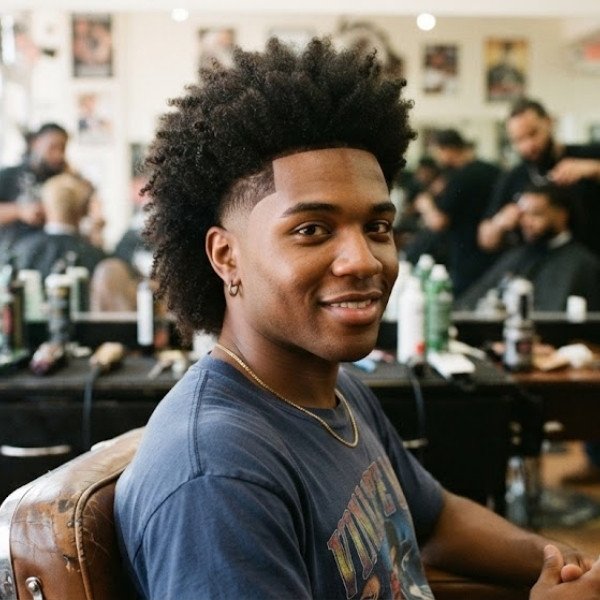
The afro taper mullet uses a gradual taper on the sides rather than a hard fade, creating a softer, more blended transition between the shorter sides and the longer back. This makes it a versatile choice for both casual and professional settings.
Because the taper is subtle, this variation tends to grow out more gracefully than a sharp fade, which means fewer trips to the barber for touch ups. It is often recommended for people who are trying an afro mullet for the first time and want a cut that eases them into the style rather than committing to something dramatic.
The taper also works well across a range of curl patterns, from loose curls to tighter coils, making it one of the more universally flattering options on this list.
Afro V-Back Mullet
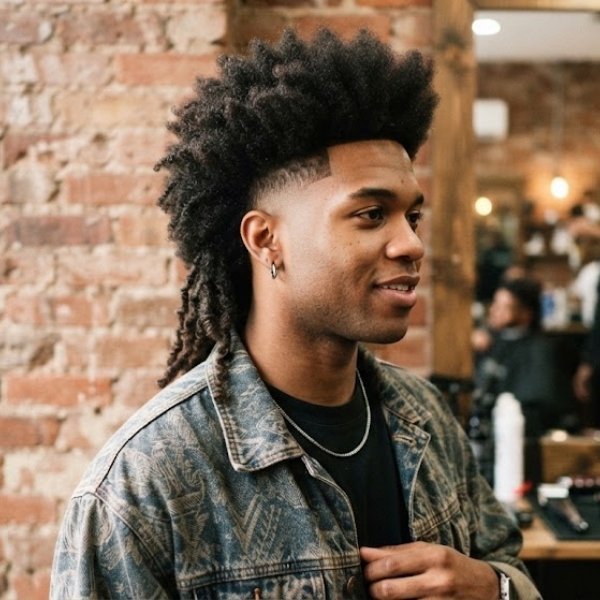
The afro V-back mullet features a distinct V shaped point cut into the back of the hair. This detail adds a geometric, artistic edge to the natural curl pattern and immediately sets the style apart from a standard mullet silhouette.
This variation works best on medium to long afro curls, since the V shape needs enough length at the back to actually be visible. It is usually paired with a tapered or faded side, which helps the point stand out even more clearly against the shorter sides.
Barbers often use a high or mid taper to draw extra attention to the back point, making this a strong pick for anyone who wants clean lines and a bit of intentional detail in their cut.
Afro Layered Mullet
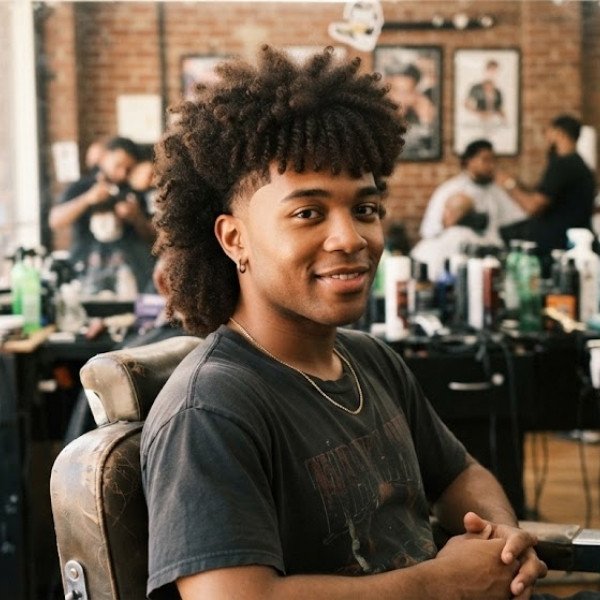
The afro layered mullet uses layering throughout the top, sides, and back to reduce bulk and encourage better curl movement. This is especially effective on medium to long afros, since the layers help direct curls into a defined mullet shape rather than one dense, heavy mass.
This variation is often the go to choice for people who want volume without the hair feeling weighed down. The layering also gives curls more freedom to bounce and move naturally, which can make the style look fuller even with less overall length.
If your hair tends to feel heavy or hard to manage in its natural state, this is one of the most practical afro mullet options to ask your barber about.
Top Afro Mullet Hairstyle Tricks
Getting the most out of an afro mullet is not just about the initial haircut. A few styling habits can make a noticeable difference in how sharp and intentional the cut looks day to day.
- Style on damp, not soaking wet, hair. Curls hold their shape and definition best when product is applied to hair that is damp rather than dripping wet.
- Use a wide tooth comb, not a brush. Brushes can break up curl clumps and create frizz, while a wide tooth comb detangles gently without disturbing the natural pattern.
- Scrunch instead of rake. Scrunching curl cream or mousse upward into the hair encourages clumping and definition, while raking can stretch curls out and reduce volume.
- Diffuse on low heat. A diffuser attachment dries curls without blasting them straight, which helps preserve shape at the crown and back.
- Define the line of demarcation. Ask your barber to keep a clear boundary between the shorter sides and the longer back so the mullet shape stays visible as hair grows.
- Refresh curls between washes. A light water and leave in conditioner mix in a spray bottle can revive second and third day curls without a full rewash.
- Book trims every four to six weeks. Because the front and sides are shorter, they grow out visibly faster than the back, so regular trims keep the proportions balanced.
Afro Mullet Care and Maintenance Manual
An afro mullet can look sharp for weeks at a time, but only with the right care routine behind it. Afro textured hair tends to be more prone to dryness, so moisture and gentle handling should be the foundation of any maintenance plan.
Washing routine
- Wash with a moisturizing, sulfate free shampoo no more than once or twice a week to avoid stripping natural oils
- Follow every wash with a conditioner formulated for curly or coily hair
- Deep condition weekly to keep curls hydrated and reduce breakage
- Avoid hot water, which can dry out strands and disrupt curl pattern
Daily and weekly maintenance
- Apply a leave in conditioner or curl cream after every wash to lock in moisture
- Use a light oil, such as jojoba or argan, to seal moisture into the ends
- Sleep on a satin or silk pillowcase, or wear a satin bonnet, to reduce friction and frizz overnight
- Avoid excessive heat styling, and always use a heat protectant if you do blow dry or diffuse
Trims and shape maintenance
- Schedule trims every four to six weeks to keep the front and sides sharp
- Ask your barber to check for split ends at the back, since longer sections are more prone to damage over time
- If you are growing your afro mullet out, focus trims only on the front and sides while letting the back length build gradually
Following this kind of routine not only keeps the cut looking fresh, it also supports overall hair health, which matters more with afro textured hair than with many other hair types.
Conclusion
The afro mullet has earned its place as one of the standout hairstyles of 2026 because it does something few cuts manage to do well. It respects natural texture instead of trying to tame it, while still delivering the bold, rule breaking silhouette the mullet has always been known for.
Whether you lean toward the sharp lines of a burst fade mullet, the effortless bounce of a curly mullet, or the artistic detail of a V-back design, there is a version of this style suited to your curl pattern and lifestyle. With the right cut and a consistent care routine built around moisture and gentle handling, an afro mullet can stay fresh, defined, and completely your own for months to come.
FAQs
What is an afro mullet?
An afro mullet is a hairstyle that combines the short front and sides, longer back structure of a classic mullet with the natural coil, curl, or kink pattern of afro textured hair.
Which afro mullet style is best for tight coils?
The afro burst fade mullet and afro taper mullet tend to work especially well on tighter coil patterns because the shorter sides highlight texture without adding bulk.
How often should I trim an afro mullet?
Most barbers recommend a trim every four to six weeks to keep the front and sides sharp while allowing the back to maintain its length.
Can I grow out a regular afro into a mullet?
Yes, a stylist can shape an existing afro into a mullet by trimming the front and sides shorter while leaving the back length intact.
Does an afro mullet work for all face shapes?
Most face shapes can wear an afro mullet when the length and volume are adjusted correctly, since the cut is highly customizable zone by zone.
What products work best for afro mullet maintenance?
A moisturizing shampoo and conditioner, a leave in conditioner, and a curl defining cream or mousse are the core products most people rely on.
Is an afro mullet high maintenance?
It is considered low to moderate maintenance compared to many trending cuts, mainly requiring regular moisture, gentle detangling, and trims every few weeks.

George is a passionate hair expert with 4 years of experience in hairstyling, grooming, and hair care. He shares practical tips, trends, and professional advice to help readers.