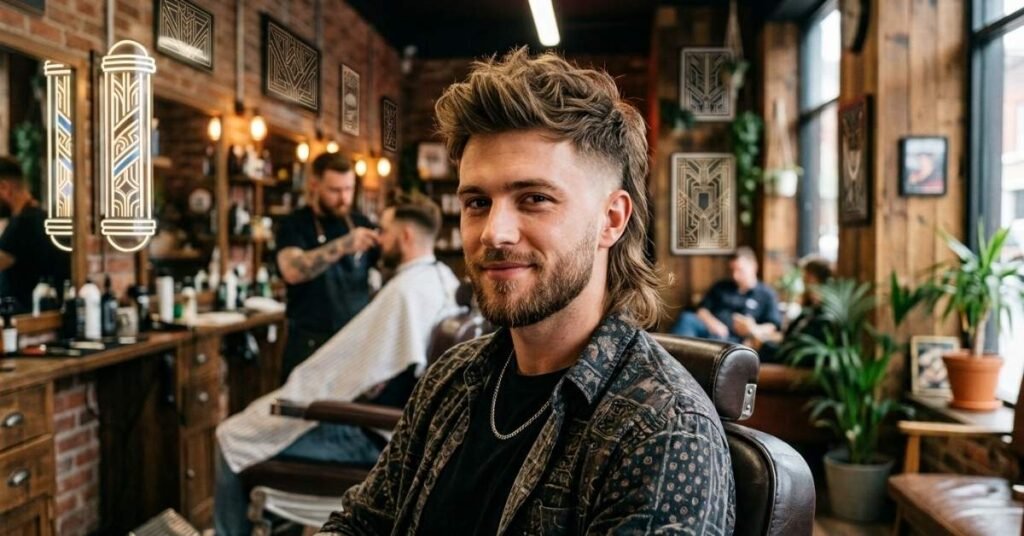
The mullet is no longer a joke haircut. Today’s version is blended, textured and far easier to wear than the 80s original. A modern mullet keeps the sides and front shorter and the back longer, but adds fades, layers and softer transitions.
This guide covers 22 modern mullet haircuts for men, how to style them, where the cut came from and how to grow one. Each style includes who it suits and what to tell your barber.
Table of Contents
Trending Modern Mullet Haircuts for Men
Quick picker:
| Style | Best For | Maintenance |
|---|---|---|
| Short Mullet | First timers, office settings | Low |
| Mullet Taper Fade | Clean, subtle contrast | Medium |
| Burst Fade Mullet | Thick or curly hair | Medium |
| Shaggy Mullet | Wavy, relaxed texture | Low |
| Long Mullet | Thick, healthy hair | High |
Modern Mullet
The modern mullet has short, tapered sides and a longer, textured back. It looks cleaner than the classic version and works for most hair types.
Best for: Straight or wavy hair.
Ask your barber for: Blended sides, textured top and a back that touches the collar.
Long Mullet
A long mullet leaves the back well past the neckline, often to the shoulders. It is bold and takes patience to grow.
Best for: Thick hair with good density.
Ask your barber for: Long layers at the back and a light trim only on the sides.
Mullet Taper Fade
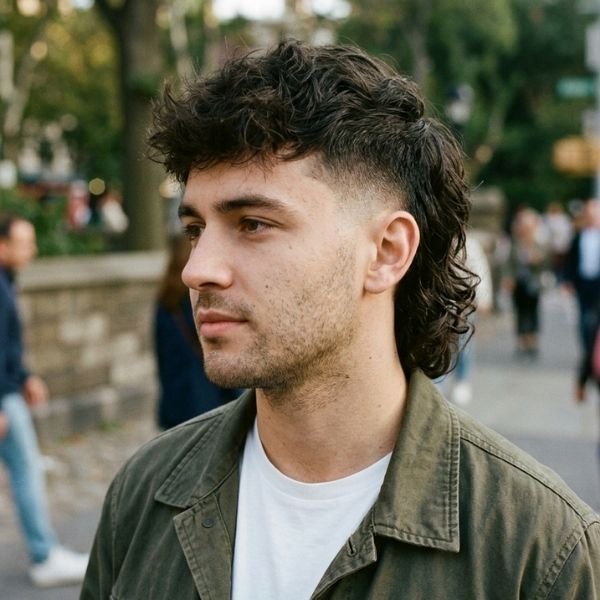
The taper fade shortens the hair gradually around the ears and neckline. It is the easiest way to get contrast without a harsh line.
Best for: Men who want a clean, low-key mullet.
Ask your barber for: A low or mid taper with the back left long.
Mohawk Mullet
This style has a raised strip of longer hair on top, with short sides and a long back. It draws attention fast.
Best for: Confident dressers with strong hair.
Ask your barber for: Faded sides and a textured top strip that connects to the back.
Short Mullet
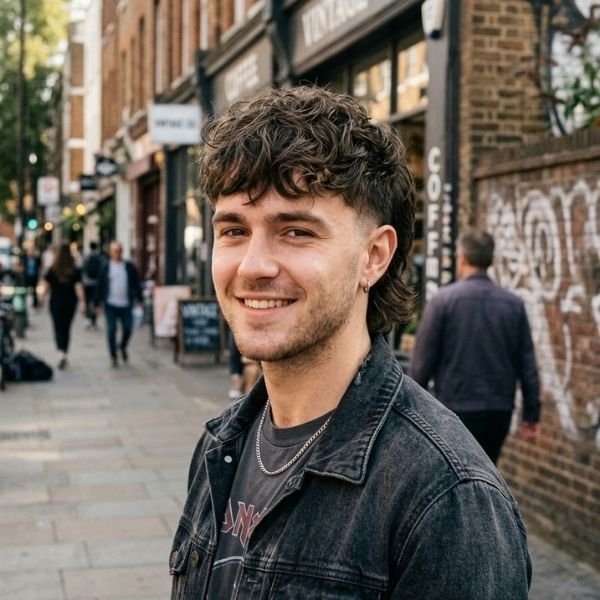
A short mullet cuts the length at the back to around two or three inches. It keeps the shape but looks tidy enough for work.
Best for: Beginners and low-maintenance routines.
Ask your barber for: A short back with a soft taper on the sides.
Burst Fade Mullet
The burst fade curves around the ear and fades out toward the neck, leaving length at the back. It is one of the most requested mullets right now.
Best for: Curly, wavy or thick hair.
Ask your barber for: A low or mid burst fade with a mid to long back.
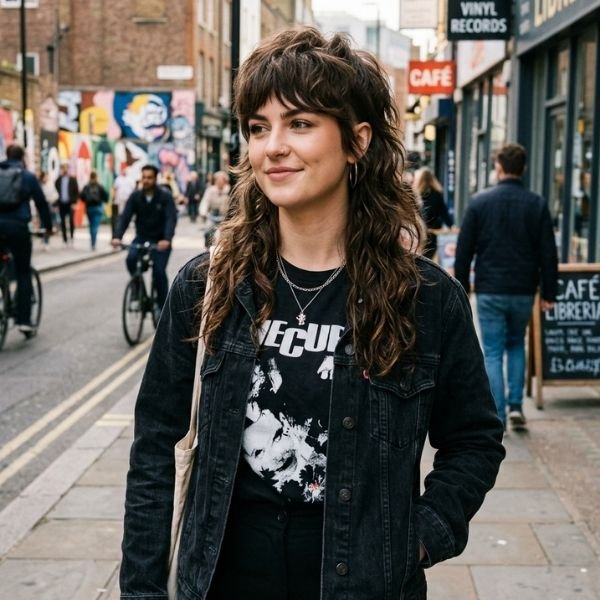
Curly Mullet
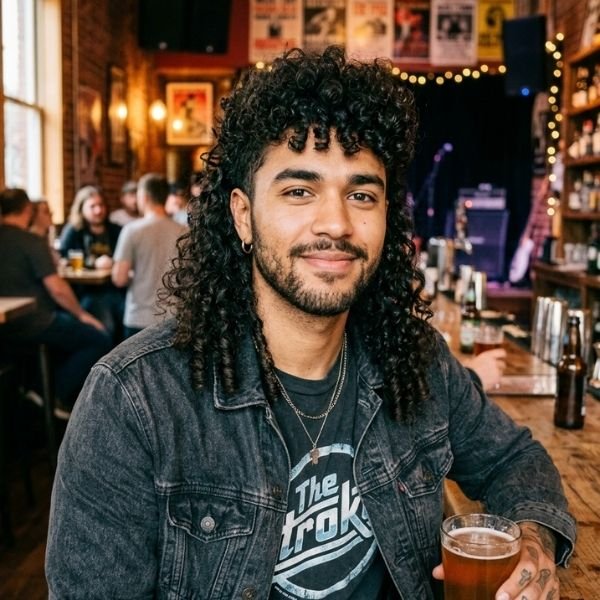
This style uses natural curls for volume and shape. The curls give the back a full, bouncy look with little styling.
Best for: Natural curls or permed hair.
Ask your barber for: Curl-friendly layers and a fade that keeps the sides neat.
Mullet Fade
A mullet fade pairs faded sides with a longer top and back, often with a fringe. It is clean, modern and popular with younger men.
Best for: Anyone who likes sharp edges.
Ask your barber for: A skin, mid or high fade with the length kept on top and back.
Shaggy Mullet

Choppy layers and loose texture give the shaggy mullet its rock and skater feel. It looks best when it is a bit messy.
Best for: Wavy hair and relaxed styles.
Ask your barber for: Razor or point-cut layers throughout.
Two Block Mullet
The two block cut separates short sides from a longer top section. Combined with a mullet back, it creates a strong Korean-inspired shape.
Best for: Straight, thick hair.
Ask your barber for: Disconnected sides, a longer top and a back that blends in.
Trendy Short Mullet with Low Taper Fade
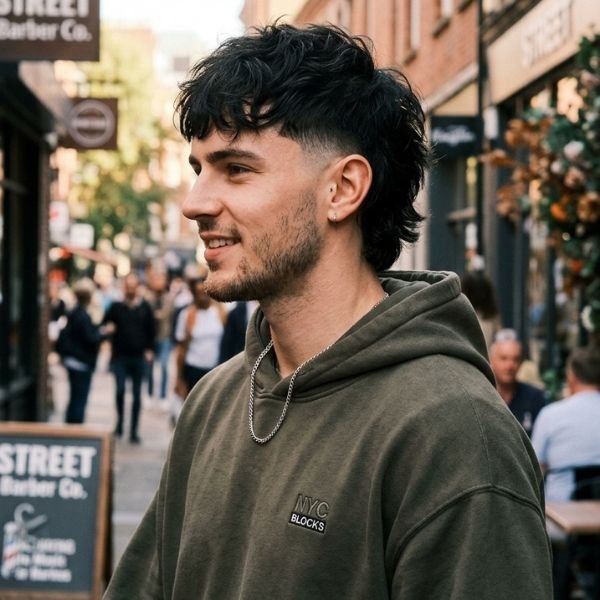
This version keeps the length short but adds a low taper behind the ears. It is neat, easy and very wearable.
Best for: Men who want a subtle mullet.
Ask your barber for: A low taper and a short, textured back.
Mullet Faux Hawk
The faux hawk mullet lifts the center of the top without shaving the sides fully. It gives height while staying more flexible than a true mohawk.
Best for: Medium to thick hair.
Ask your barber for: Longer center length with faded sides and a longer back.
Temp Fade Mullet
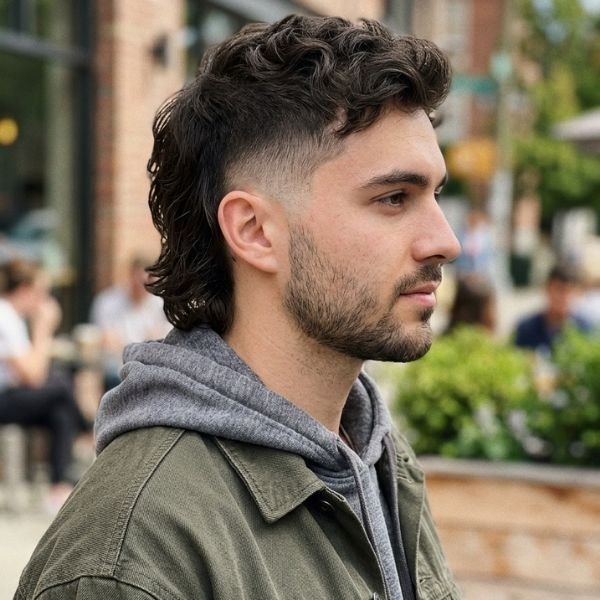
A temp fade, or temple fade, trims the hair around the temples and sideburns. It sharpens the face frame and keeps the mullet looking intentional.
Best for: Men who want crisp edges with little commitment.
Ask your barber for: A temple fade with a long back.
Faded Mullet with Fringe
A longer fringe falls over the forehead while the sides are faded. The back stays long, giving the cut a soft and sharp balance.
Best for: Men with a high forehead.
Ask your barber for: A textured fringe and a fade that blends into the back.
Fluffy Mullet
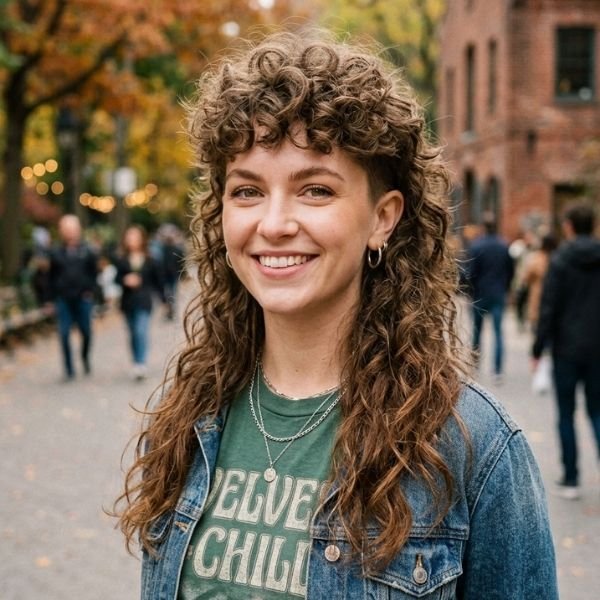
This one is all about volume. Blow drying and layers give it a light, airy shape.
Best for: Fine to medium hair that needs body.
Ask your barber for: Soft layers and a blowout finish.
Sexy, Modern Mullet From The Back
Seen from behind, this cut shows a smooth fade that flows into a neat, tapered tail. The back view is the main feature.
Best for: Men who like a defined nape.
Ask your barber for: A clean neckline and a tapered, layered back.
Messy Mullet with Texture

A messy, textured mullet looks lived in. It uses product and layers to create a casual finish.
Best for: Wavy or thick hair.
Ask your barber for: Heavy texturizing and uneven layers.
Edgy Mullet with Beard
A beard balances the length of the mullet and sharpens the jawline. Keep the beard trimmed so the two parts look planned.
Best for: Men with fuller facial hair.
Ask your barber for: A faded mullet and a beard that blends into the sideburns.
Classy Mullet
The classy mullet is neat and combed, often with a side or center part. It suits formal settings better than most other styles.
Best for: Professionals who still want a mullet.
Ask your barber for: A tidy taper and a back trimmed just past the collar.
Mullet Blowout
A blowout adds lift and smooth movement. It works well on medium length hair and photographs nicely.
Best for: Straight or slightly wavy hair.
Ask your barber for: Layers that react well to a blow dryer.
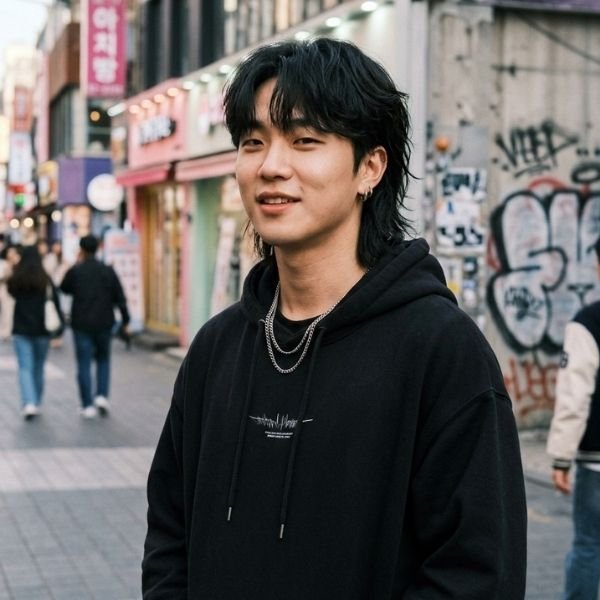
The Asian Mullet
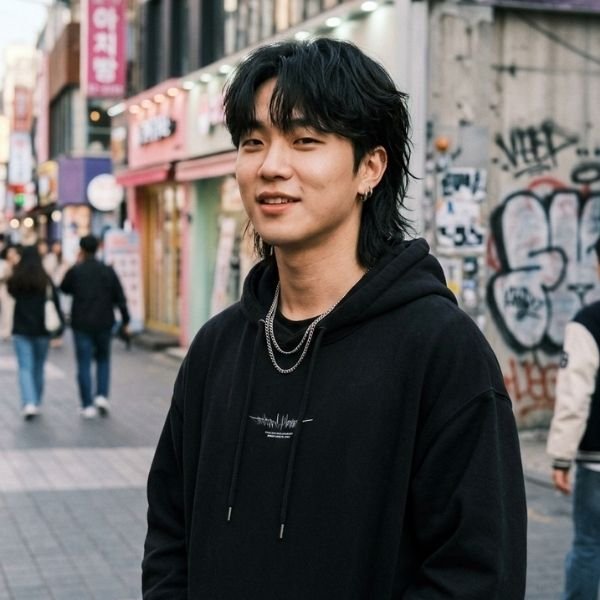
Asian hair is often straight and thick, which suits sharp, layered mullets with a heavy texture. Korean and Japanese styling often add a soft fringe and a perm.
Best for: Straight, dense hair.
Ask your barber for: Layered texture, a light fringe and a back that keeps its shape.
Feathered Mullet
Feathered layers sweep back from the face, a nod to the 70s and 80s. It looks softer than most modern cuts.
Best for: Straight or slightly wavy hair.
Ask your barber for: Long feathered layers and a smooth blend on the sides.
How To Style A Mullet
A good mullet depends on texture and shape. Follow these four steps for a salon look at home.
Step 1: Apply A Volumizing Shampoo and Conditioner
Start with a volumizing formula. It lifts the roots and keeps the hair from lying flat.
Step 2: Add Texture with A Sea Salt Spray
Spray it on damp hair and scrunch. Sea salt spray adds grip and a natural, beachy feel.
Step 3: Use A Hair Diffuser
A diffuser dries the hair gently and keeps curls and waves intact. Use medium heat and low airflow to cut frizz.
Step 4: Apply Styling Clay, Matte Pomade, or Texturising Powder
Finish with a small amount of product. Clay gives a strong hold, matte pomade keeps it flexible and powder adds lift.
Pro tip: Start with a pea-sized amount. You can always add more, but too much weighs the mullet down.
What Is A Mullet Haircut?
A mullet haircut is short at the front and sides and long at the back. People often describe it as “business in the front, party in the back.” The modern version adds fades, layers and texture, so the shape looks planned instead of accidental.
The cut works with several hair types and face shapes. Oval and square faces tend to carry it easily, while longer layers can soften a round face.
Explore More Grooming Guides
Want more ideas? Browse our guides on crew cuts, mullet fade hairstyles, Korean perms and beard care to complete your look.
✨ The Evolution of the Mullet Haircut
The mullet has a long and surprising history. These milestones shaped it:
- 1970s: David Bowie’s Ziggy Stardust look helped bring the shape into pop culture.
- 1980s: Rock stars, athletes and TV actors made it mainstream across the US, UK and Australia.
- 1994: The Beastie Boys song “Mullet Head” popularized the word itself.
- 1990s and 2000s: The style faded and became a joke.
- 2020s: Fades, curls, wolf cuts and Korean layering brought it back as a stylish choice.
Today’s mullet is softer, more blended and easier to adapt than the old version.
Conclusion
The modern mullet gives you plenty of room to experiment. You can keep it short and neat, or go long, curly or shaggy. Pick a style that fits your hair type and daily routine, bring a photo to your barber and keep up with regular trims.
With the right cut and a simple styling routine, a mullet can look sharp, confident and completely your own.
FAQs About Modern Muller Cut!
What hair type is good for mullet?
Thick, wavy and curly hair holds the shape best, but straight and fine hair can work with layers and texture.
Why are mullets so attractive?
They mix a clean front with a relaxed back, which looks bold, youthful and confident. The contrast also frames the face well.
Who made the mullet famous?
David Bowie’s 70s look and the 80s rock and TV stars made it famous, and the Beastie Boys’ 1994 song gave it its name.
How many types of mullet are there?
There are more than 20 popular types, including the taper, burst fade, curly, shaggy, short and long mullet.
How to grow mullet?
Let the back grow for 4 to 6 months, trim the sides and ends regularly and use conditioner to keep the length healthy.
George is a passionate hair expert with 4 years of experience in hairstyling, grooming, and hair care. He shares practical tips, trends, and professional advice to help readers.