Table of Contents
The Ultimate Trend Guide for Modern Long Mullet Styles
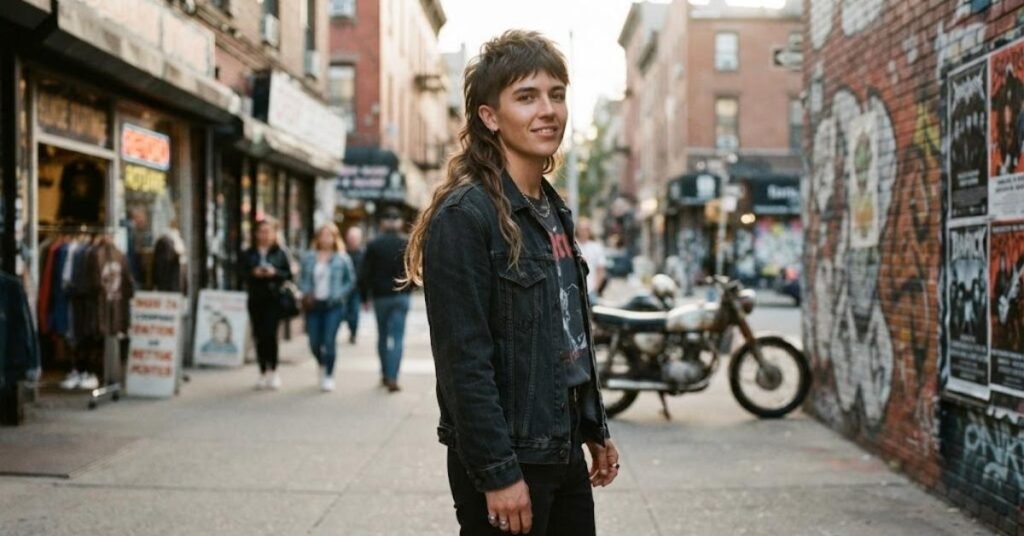
The mullet has quietly become one of the most requested haircuts in salons right now, and the long hair version is leading that comeback. Business in the front, party in the back has turned into something far more polished: soft layers, wolf cut texture, curtain bangs, and a back section long enough to style in a dozen different ways.
If you have long hair and you’re wondering whether a mullet will actually suit you, this guide breaks down the 10 best long mullet variations trending in 2026, how each one works with different hair types and face shapes, and exactly how to keep it looking intentional between trims. Whether you want something soft and low maintenance or edgy and dramatic, there’s a version of this cut built for you.
Top 10 Long Hairstyles Mullet Variation 2025
Before diving into each style individually, here’s a quick snapshot of the ten long mullet variations covered in this guide and who they tend to suit best.
- Long Classic Mullet, best for anyone wanting the original silhouette with a modern finish
- Long Wolf Cut Mullet, ideal for fine to medium hair that needs shape and body
- Long Shaggy Mullet, a relaxed pick for wavy or textured hair
- Long Curly Mullet, built specifically for natural curl patterns
- Long Straight Mullet, a sleek option for fine or thick straight hair
- Long Layered Mullet, great for adding movement to one length hair
- Long Fringe Mullet, softens strong features and rounds out angular face shapes
- Long V-Back Mullet, a dramatic finish for special occasions and bold personalities
- Long Taper Mullet, a cleaner, more professional take on the trend
- Long Wolf and Shag Hybrid, for those who want texture without extreme contrast
Each of these styles shares the same DNA: short or cropped layers up top, longer length in the back, and a gradual blend somewhere in between. What changes is the texture, the fringe, and how sharp or soft that transition looks.
Long Classic Mullet
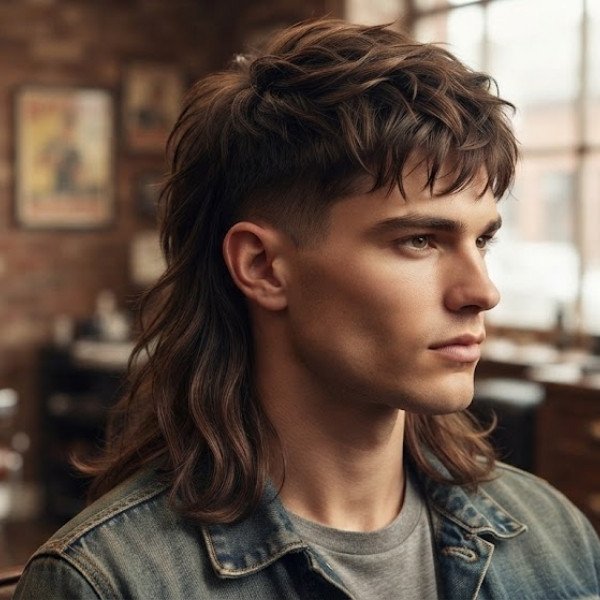
The long classic mullet keeps the traditional structure everyone recognizes: cropped crown, tapered sides, and a noticeably longer back section that falls past the shoulders. What makes the 2026 version different from the 80s original is the blending. Stylists now feather the transition zone instead of cutting a hard line, so the cut looks intentional rather than accidental.
This style works particularly well on medium to thick hair because there’s enough density to hold the contrast between short and long sections. It’s a solid choice if you want a recognizable mullet silhouette without leaning into anything too edgy or extreme.
Best for: thick or medium hair, oval and heart face shapes, anyone new to the mullet who wants a classic entry point.
Long Wolf Cut Mullet
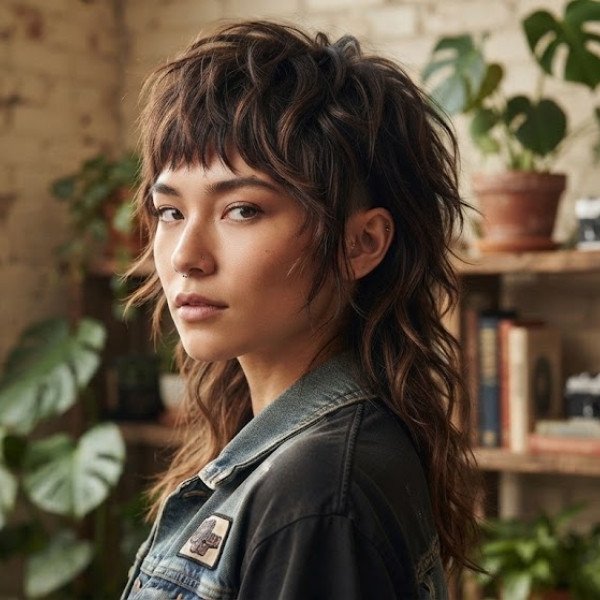
The wolf cut mullet is arguably the most searched version of this trend for a reason. It combines the shaggy, piecey texture of a shag haircut with the layered proportions of a mullet, creating heavy layering at the crown that tapers into long, wispy ends.
Because the layers are cut close together near the top, this style adds noticeable volume without needing a blowout every day. It’s especially flattering on fine or thin hair, since the shorter layers create the illusion of thickness that flat, one length hair often lacks. Wavy and straight hair both take to this cut well, though wavy texture tends to enhance the wolfish, undone finish naturally.
Best for: fine to medium hair, round and square face shapes, anyone who wants volume without daily styling effort.
Long Shaggy Mullet
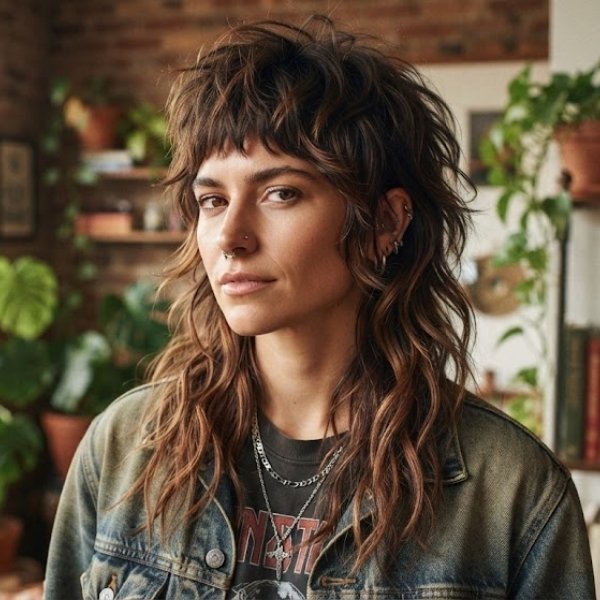
The long shaggy mullet leans into texture over structure. Instead of a sharp contrast between the top and back, the layers are choppy and irregular throughout, giving the whole cut a lived-in, effortless feel. This is the version most associated with 90s grunge and indie style, and it has aged into one of the lowest maintenance long mullet options available.
Shaggy layers hide grow out well, which means fewer urgent trims and more flexibility between salon visits. A texturizing spray or sea salt spray is usually all it takes to bring the shape back to life on a second or third day hair.
Best for: wavy or slightly textured hair, anyone who wants a low fuss styling routine, softer face shapes that can handle heavier framing.
Long Curly Mullet
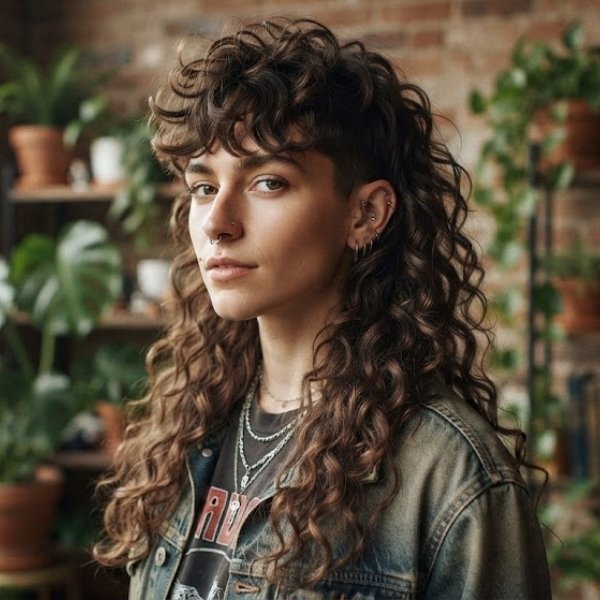
Curly hair and mullets are a genuinely great match because the curl pattern does a lot of the shaping work naturally. On a long curly mullet, tighter curls at the crown gradually loosen into longer, looser curls or waves toward the back, creating a built in gradient that looks intentional even without heavy styling.
The key with curly mullets is cutting curl by curl rather than relying on a straight hair template, since curls shrink and shift differently once they dry. A good curl specific cut will maintain even proportions front to back instead of leaving the top disproportionately shorter than expected.
Best for: naturally curly or coily hair, anyone who wants a mullet that requires minimal heat styling.
Long Straight Mullet
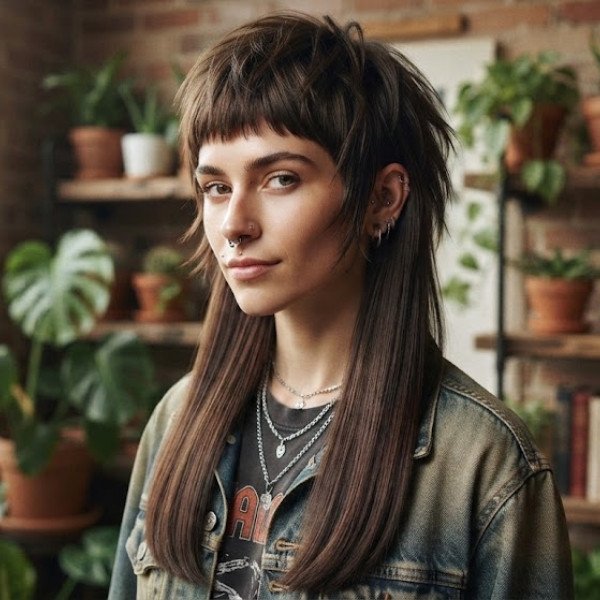
For those with naturally straight hair, the long straight mullet offers a sleeker, more graphic version of the trend. Because straight hair shows every line clearly, this style depends heavily on precision cutting rather than texture to create movement. Face framing layers around the crown and temples soften the geometry, while the back is often left blunt or lightly layered for a clean drop.
Straight mullets tend to look more polished and are easier to dress up for work or formal settings compared to shaggier variations, making this a practical option for anyone who needs versatility.
Best for: fine to thick straight hair, professional settings, anyone who prefers sleek finishes over textured ones.
Long Layered Mullet
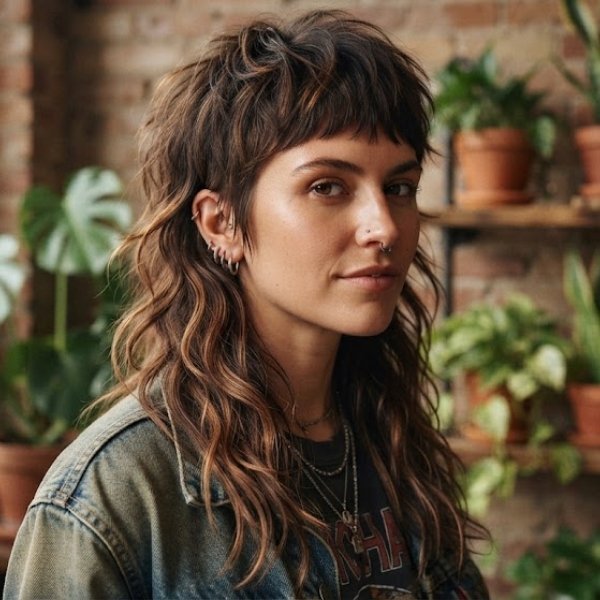
The long layered mullet focuses on movement throughout the entire length rather than concentrating contrast at the crown alone. Layers are cut gradually from the top all the way to the ends, so the transition feels smoother and less dramatic than a classic or wolf cut mullet.
This is a good middle ground option if you like the idea of a mullet but aren’t ready to commit to short, cropped layers up top. It reads as more of an elevated shag than a bold statement cut, which makes it easier to grow out or adjust later.
Best for: anyone easing into the mullet trend, medium to thick hair, those who want subtlety over drama.
Long Fringe Mullet
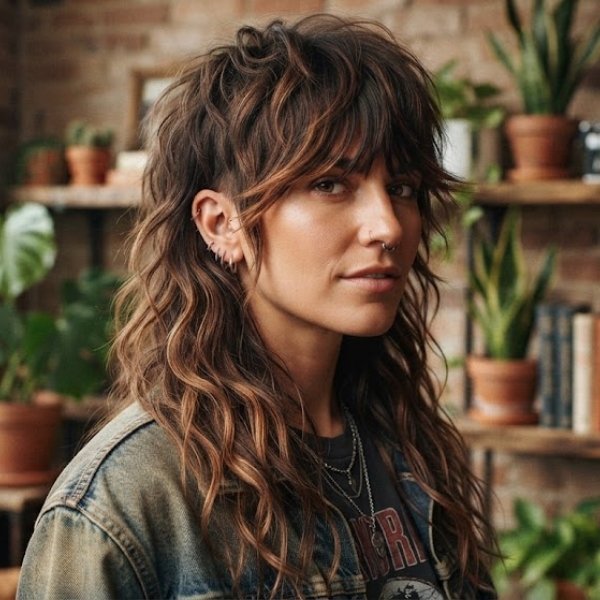
Adding a fringe, whether it’s a full blunt bang or soft curtain bangs, changes the entire feel of a long mullet. A blunt fringe creates a bold, retro edge reminiscent of Dolly Parton style mullets, while curtain bangs soften the face and blend more naturally into the layered crown.
Fringe mullets require slightly more upkeep since bangs grow out faster than the rest of the cut, but they’re one of the most effective ways to frame the face and balance out longer, narrower face shapes.
Best for: oval and long face shapes, anyone who wants a strong focal point, those comfortable with more frequent fringe trims.
Long V-Back Mullet
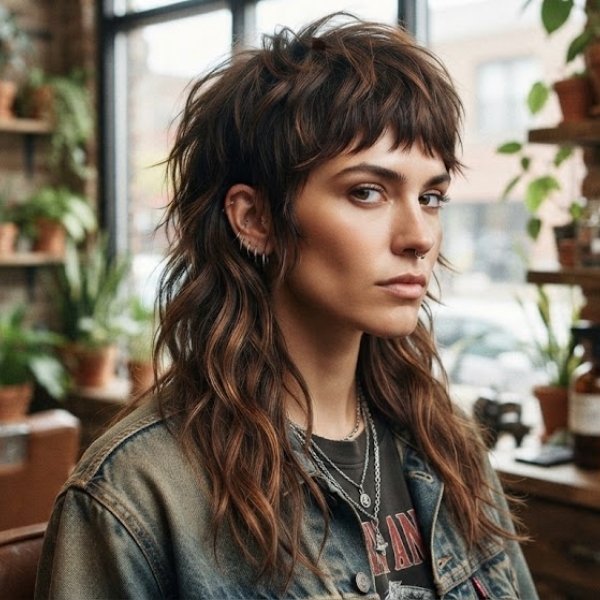
The V-back mullet takes its name from the shape cut into the back section, where the hair is angled to form a defined V rather than a straight or rounded edge. Paired with long length, this creates a dramatic, almost theatrical silhouette that photographs exceptionally well.
This style tends to suit thicker hair best, since fine hair may not hold the sharp V shape without added texture or a light perm. It’s a striking option for anyone who wants their mullet to feel more like a statement piece than an everyday cut.
Best for: thick hair, bold personal style, special occasions or editorial looks.
Long Taper Mullet
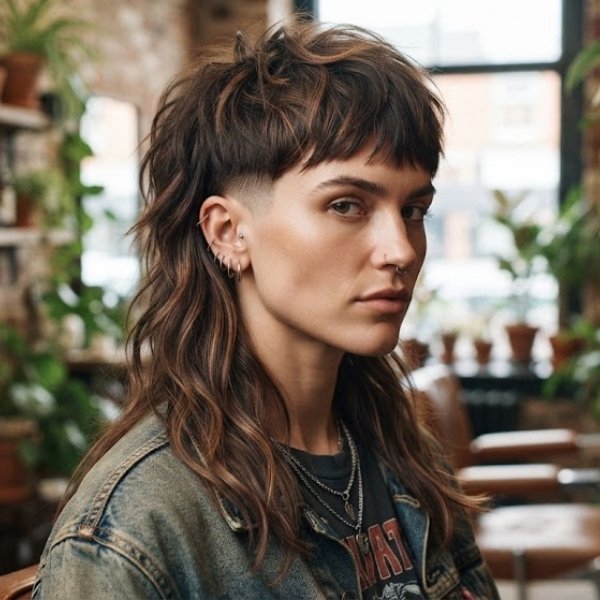
The taper mullet swaps the choppy, textured sides of a typical mullet for a clean, gradually tapered finish around the ears and neckline. It’s the most polished, workplace friendly interpretation of the trend, often chosen by people who want the long back section of a mullet without the rougher, edgier top.
Because the taper is subtle rather than sharp, this version blends more seamlessly into everyday styles like ponytails, buns, or half up looks, which makes it a practical choice for people who want versatility alongside the trend.
Best for: professional environments, anyone who wants a subtle mullet, medium to thick hair textures.
Long Mullet Care Routine
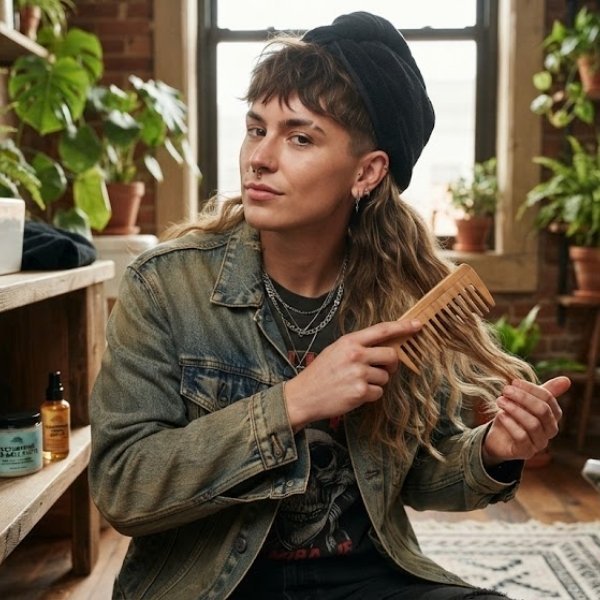
A long mullet is more forgiving than people expect, but it does need a consistent routine to stay in shape between salon visits. Here’s a simple, realistic care schedule that works across most hair types.
- Daily: Apply a small amount of leave-in conditioner to the ends and use a wide-tooth comb to detangle gently. Focus root volume at the crown rather than piling product onto the back section.
- Every wash (2 to 3 times per week): Use a sulfate-free shampoo to avoid stripping natural oils, followed by a hydrating conditioner concentrated on the longer back lengths.
- Weekly: Apply a deep conditioning mask to the back section for 10 to 15 minutes to prevent dryness and split ends.
- Monthly: Use a clarifying shampoo to remove product buildup, and consider a protein treatment if your hair feels weak or overly soft.
- Every 4 to 6 weeks: Book a trim to refresh the crown, sides, and any fringe, while allowing the back to keep growing.
- Every 6 to 8 weeks: Get a full reshape if you’re maintaining the overall silhouette rather than growing it out.
A few extra habits go a long way. Switching to a silk or satin pillowcase reduces friction and overnight frizz, and applying a heat protectant before any blow-drying or straightening helps protect the longer, more exposed back section from damage.
Products for Long Mullets
The right products depend on your hair type, but a few categories show up across almost every long mullet routine.
- Texturizing or sea salt spray: Builds the undone, piecey texture that defines wolf cut and shaggy mullets, especially on second day hair.
- Volumizing mousse: Best for fine or straight hair that needs lift at the crown before the layers start showing their shape.
- Matte clay or paste: Adds separation and light hold to shorter top layers without weighing them down or adding shine.
- Lightweight leave-in conditioner: Keeps the longer back section soft and manageable, which matters since that length is often older and more prone to dryness.
- Heat protectant spray: Essential before any styling tool use, particularly on color treated or previously damaged hair.
- Sulfate-free shampoo: Helps maintain natural moisture balance, especially important for curly or wavy long mullets that dry out easily.
A good rule of thumb is to treat the crown, sides, and back as three separate zones that each need slightly different products, rather than applying one product uniformly across the whole head.
FAQs
How long does hair need to be to get a mullet?
Most stylists recommend at least shoulder length hair in the back to create a noticeable contrast with the shorter top layers, though longer hair offers more styling flexibility.
Do mullets work on all face shapes?
Yes, but the details matter. Oval and heart shaped faces suit most variations, while round or square faces often look best with a fringe or side-swept layers that add angles.
How often should a long mullet be trimmed?
Plan on a trim every 4 to 6 weeks for the crown and sides, with a fuller reshape every 6 to 8 weeks if you’re maintaining rather than growing the length.
Is a mullet high maintenance?
A long mullet is actually fairly low maintenance day to day, though it does rely on regular trims and the right products to keep its shape between salon visits.
Can curly hair get a long mullet?
Absolutely, curly hair often suits mullets especially well since the natural curl pattern creates the layered, gradient look with very little extra styling required.
What is the difference between a mullet and a wolf cut mullet?
A classic mullet has a clearer, more defined line between the short top and long back, while a wolf cut mullet blends heavy shag style layering throughout for a softer, more textured transition.
Will a mullet suit fine or thin hair?
Yes, layered versions like the wolf cut or shaggy mullet are particularly flattering on fine hair because the shorter crown layers create the appearance of extra volume and density.
Conclusion
Long hair mullets have moved well past their retro reputation and turned into one of the most flexible, personality driven haircuts available in 2026. Whether you’re drawn to the soft texture of a wolf cut, the drama of a V-back, or the polish of a taper, there’s a version of this cut suited to nearly every hair type and face shape.
The real secret to pulling off a long mullet isn’t the initial cut, it’s the maintenance. A consistent trim schedule, the right lightweight products, and a routine that respects your natural texture will keep any of these ten styles looking sharp, healthy, and unmistakably yours.

George is a passionate hair expert with 4 years of experience in hairstyling, grooming, and hair care. He shares practical tips, trends, and professional advice to help readers.