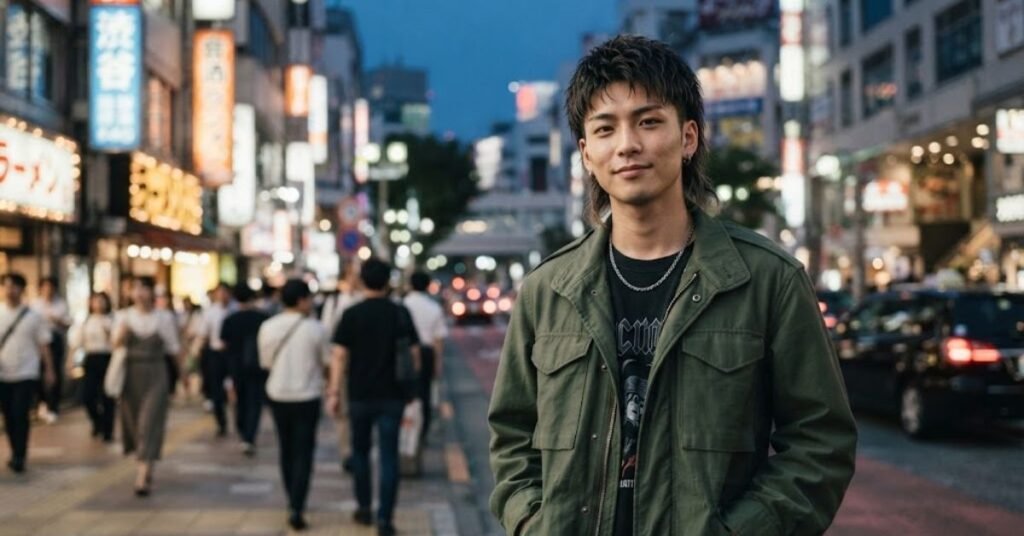
Thinking about chopping your hair into something bolder this year? The Asian mullet hairstyle is everywhere right now, from K-drama sets to your local barbershop.
It’s not the old-school mullet your uncle wore in 1985. This one’s softer, layered, and honestly, way easier to pull off than people think.
If you’ve been scrolling Pinterest at 2 AM wondering which version suits your face, you’re in the right place. Let’s break it down properly.
Table of Contents
Asian Mullet Hairstyle – Complete Guide to Modern Styles & Care
So what exactly makes an Asian mullet different from a regular one? It comes down to texture and cut technique.
Most Asian hair types are naturally straight or slightly wavy, which changes how a mullet haircut falls. Barbers work with that natural flow instead of fighting it, which is why these cuts look effortless instead of forced.
This guide walks you through ten standout variations, plus styling and care tips that actually work. No fluff, just what you need to know before your next salon appointment.
Top 10 Asian Mullet Hairstyle
Picking the right mullet variation feels overwhelming when there are so many options floating around social media. Each style below has its own personality, so think about your daily routine and hair texture before choosing.
Some of these lean edgy, others are softer and more romantic. A few work great for the office, and a couple are strictly weekend-only energy.
Here’s the full rundown, one style at a time, with real details on what makes each one tick.
Korean Asian Mullet
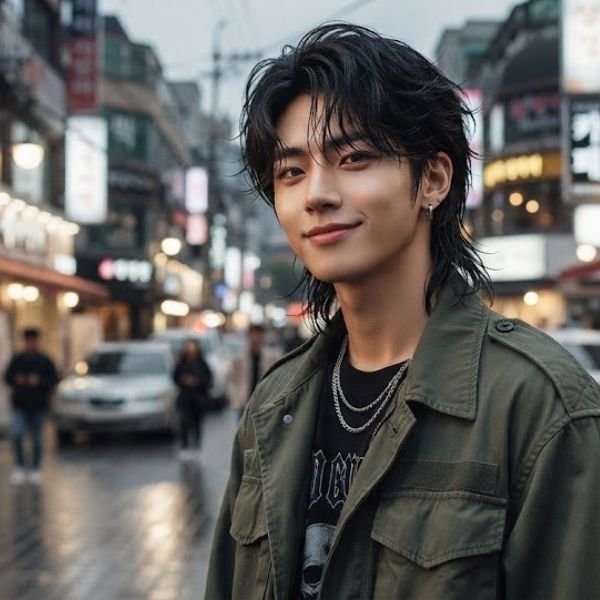
The Korean Asian mullet is probably what sparked this whole trend in the first place, thanks to K-pop idols showing it off on stage. It’s built around soft layers up top with a slightly longer back section that moves when you walk.
What makes it work is the balance. The sides stay close to the head while the crown gets volume and lift, creating a shape that looks intentional, not messy.
Styling is simple too. A round brush and a blow dryer on medium heat gets you most of the way there, and a bit of hair wax locks in the shape without weighing hair down.
Japanese Soft Mullet
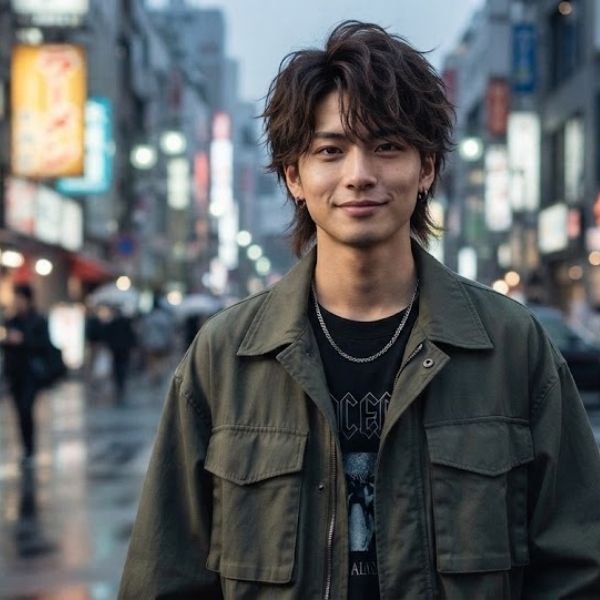
If the Korean version feels a touch too dramatic, the Japanese soft mullet softens everything up. Think wispy layers, gentle curtain fringe, and a finish that looks almost undone on purpose.
This style leans heavily on natural texture. Fine or medium hair works beautifully here since the cut doesn’t rely on heavy layering to create movement.
You’ll notice this one shows up a lot in Japanese street fashion and casual office settings. It reads as put-together without trying too hard, which honestly is the whole appeal.
Asian Layered Mullet
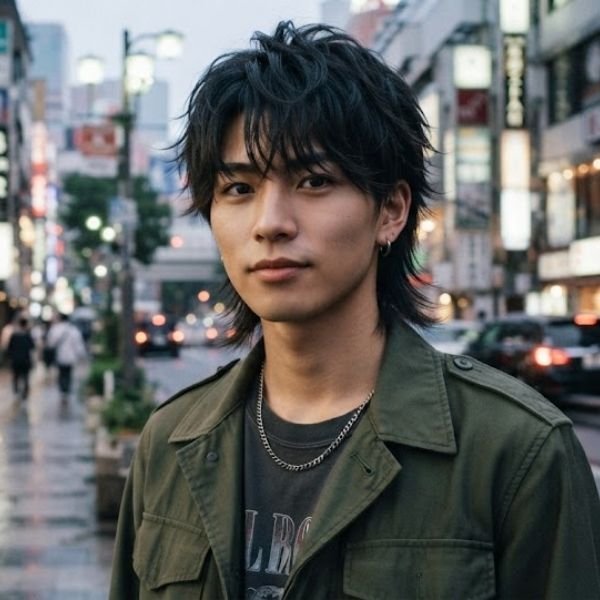
Layers are where a mullet gets its personality, and the Asian layered mullet takes that idea and runs with it. Multiple layer lengths blend into each other, building texture from root to tip.
This version suits thicker hair especially well. Without layering, thick hair can look like a solid block, but defined layers break that up and add real flow.
A texturizing spray or light mousse helps separate each layer during styling. It’s a bit more hands-on than other cuts, but the payoff is serious dimension.
Asian Middle-Part Mullet
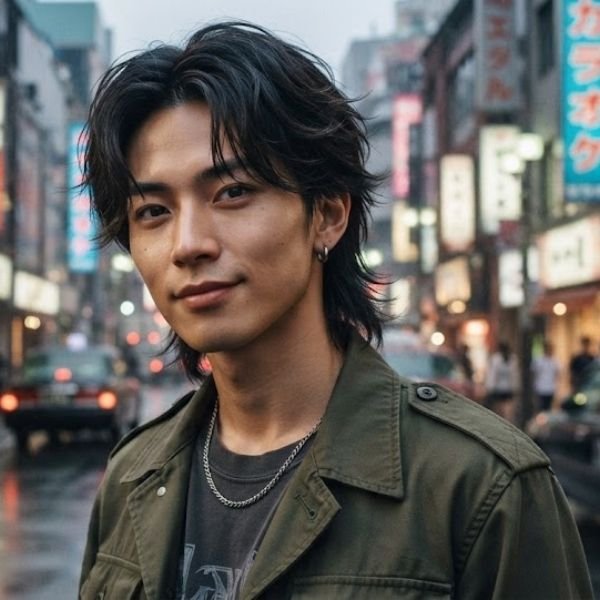
There’s something about a middle-part hairstyle that instantly feels current, and pairing it with a mullet doubles down on that. The part creates symmetry while the mullet’s back length adds contrast.
This cut works well for face framing, especially if you’ve got an oval face or heart-shaped face. The parted front pieces fall naturally along your cheekbones.
Maintenance stays low here too. Since the part does most of the styling work, you’re not fighting with product every single morning.
Asian Fluffy Mullet
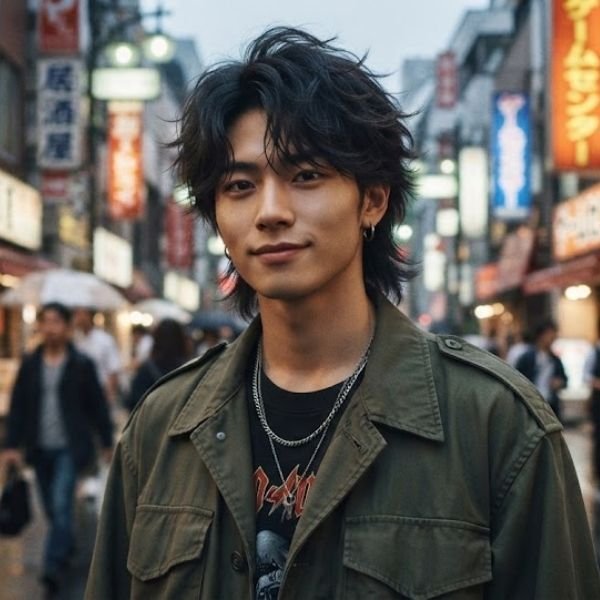
Ever seen those photos where hair just looks like a cloud sitting on someone’s head, in the best way? That’s the Asian fluffy mullet, and it’s all about root lift and crown volume.
A diffuser attachment on your blow dryer is your best friend for this look. It dries hair without flattening the natural bounce, keeping that airy shape intact.
Wavy or slightly curly hair types get an easier ride with this style since the texture does half the work already.
Asian Straight Mullet
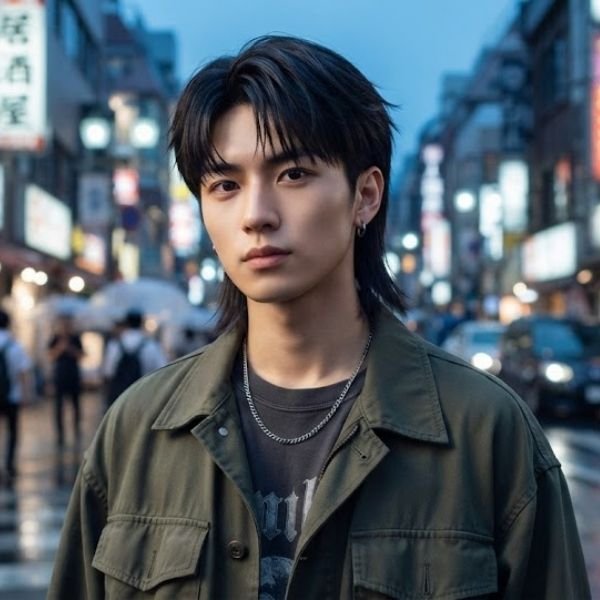
For anyone who wants sleek over fluffy, the Asian straight mullet delivers clean lines without losing the mullet’s signature shape. A straightener smooths everything into place for a polished finish.
This works particularly well for straight, thick hair that already has a natural sheen. Less product, more shine, simpler mornings.
It’s also a strong pick for professional settings where you want something trendy but not too loud.
Asian Wolf Mullet
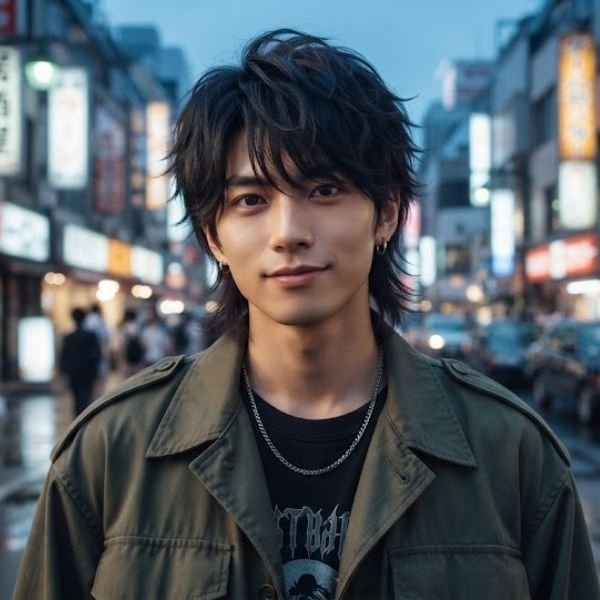
The Asian wolf cut basically merges a shag and a mullet into one shape, and it’s easily one of the most requested styles right now. Choppy, textured layers dominate throughout the whole head.
Unlike a traditional mullet, the wolf cut doesn’t rely as much on strict length contrast between front and back. Instead, it’s all about choppy layers creating an intentionally messy silhouette.
If you like styling that looks good even on lazy days, this one forgives a lot. Air-drying with a little texture spray often does the trick.
Asian Taper Mullet
Sharper and cleaner, the Asian taper mullet brings in tapered sides that gradually shorten toward the neckline. A low taper or mid taper both pair nicely with mullet length on top.
This version leans more masculine and structured, popular in barbershops for guys wanting something trendy but still office-appropriate.
The contrast between tight sides and longer top creates that classic mullet drama, just with way more polish than the original 80s version.
Asian Fringe Mullet
Bangs change everything, and the Asian fringe mullet proves it. Whether you go with wispy bangs or thicker choppy bangs, the fringe softens your whole face shape instantly.
This cut suits angular face shapes particularly well, since fringe breaks up sharper features and adds a rounder, softer visual balance.
Styling takes minor effort daily since bangs need regular attention, but the face-framing payoff makes it worth the extra two minutes.
Asian Shag Mullet
Rock and roll energy lives here. The Asian shag mullet pulls from vintage shag haircut styling and blends it with modern mullet shape, resulting in heavy texture everywhere.
Feathered ends and airy layers define this look, giving it a retro edge that somehow still feels fresh in 2029.
It’s a bold choice, no doubt. But if you want a hairstyle with actual personality, this delivers in spades.
Asian Mullet Styling
Getting the cut is only half the equation. Styling determines whether your mullet looks intentional or just kind of there.
Start with damp hair and a heat protectant spray before anything else touches your strands. This one step saves you from long-term damage that heat styling causes over time.
From there, work in sections. Use your round brush for volume at the roots, then finger-style the ends for that natural, undone texture mullets are known for.
Soft Texture Asian Mullet
Not every mullet needs to shout. The soft texture Asian mullet keeps things gentle, prioritizing natural movement over sharp, defined edges.
This approach suits people who want a casual hairstyle for daily wear, something that doesn’t require thirty minutes in front of the mirror each morning.
A light hair cream rubbed through damp hair, followed by air-drying, usually gets you there. Simple routine, soft outcome, still very much on-trend.
Easy Asian Mullet Care
Here’s the truth nobody tells you upfront: even a low maintenance haircut needs some attention to stay sharp. Regular trims every six to eight weeks keep the layers from growing out shapeless.
Invest in decent shampoo and conditioner suited to your hair type. Damaged, dry ends make even the best cut look tired, so hair damage prevention should be part of your routine, not an afterthought.
A wide-tooth comb works better than a regular brush for detangling, especially on wavy or curly textures. It prevents unnecessary breakage while keeping layers intact between salon visits.
How to Pick the Right Asian Mullet for Your Face Shape
This part gets skipped a lot, but it genuinely changes your results. A round face often looks best with cuts that add height and length, like the taper or wolf mullet.
Oval face shapes have the easiest time since nearly every variation here works well. Lucky you, if that’s your shape.
For a heart-shaped face, fringe versions balance out a wider forehead nicely. Meanwhile, angular face types benefit from softer, fluffier cuts that round things out visually.
Asian Mullet vs Wolf Cut: What’s the Real Difference
People mix these up constantly, so let’s clear it up. A traditional mullet keeps a stronger contrast between short front sections and long back sections.
The wolf cut blurs that line, spreading choppy texture more evenly across the whole head instead of focusing length purely at the back.
Both fall under the same mullet variations family, but if you want something with less dramatic contrast, lean wolf cut. Want that classic short-to-long drama? Stick with a true mullet shape.
FAQs
Does an Asian mullet suit fine hair?
Yes, actually fine hair often styles easier since it doesn’t need heavy thinning first. Soft layers add the appearance of extra volume too.
How often should I get it trimmed?
Every six to eight weeks keeps the shape sharp. Wait longer and the layers start losing definition.
Can I style it without heat tools?
Absolutely. Air-drying with a little texture spray or hair mousse works fine for most of these variations, especially the wolf and shag versions.
Is this hairstyle office-appropriate?
The taper mullet and straight mullet both read as more professional. Fluffier or choppier versions lean more casual or creative.
What face shape doesn’t suit a mullet?
Honestly, most face shapes can work with the right variation. It’s more about picking the correct style than avoiding the cut entirely.

George is a passionate hair expert with 4 years of experience in hairstyling, grooming, and hair care. He shares practical tips, trends, and professional advice to help readers.